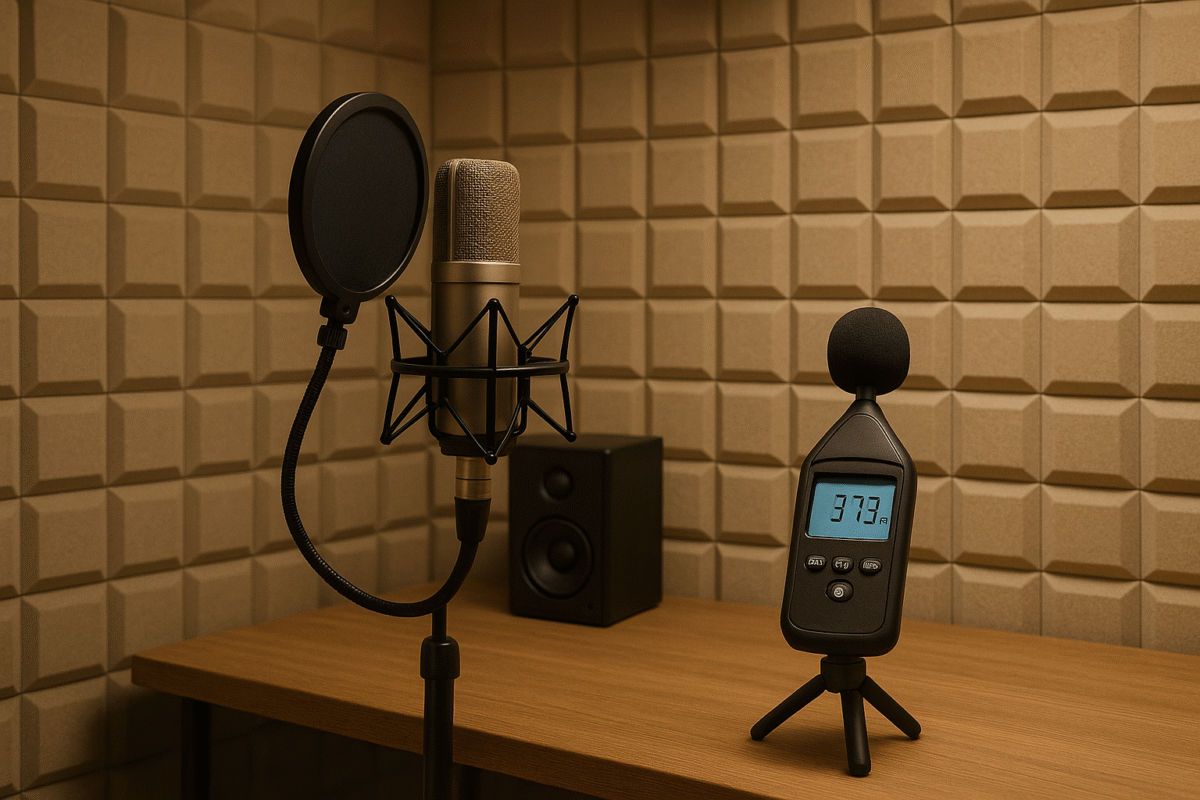
When you step into a recording studio, you expect a world where every sound is crisp, clear, and free from unwanted noise. But how quiet should a recording studio really be? If you’re dreaming of professional-quality audio, or just want to elevate your home studio, understanding the right level of quiet is the first step. Let’s dive into what makes a studio truly silent, why it matters, and how you can achieve the perfect hush for your recordings.
Why Does Studio Quietness Matter?
You might wonder why recording studios obsess over silence. The answer is simple: every unwanted sound-whether it’s a humming air conditioner, distant traffic, or footsteps upstairs-can ruin a perfect take. Microphones are sensitive, picking up even the tiniest noises. If your studio isn’t quiet enough, you’ll spend hours editing out distractions or, worse, have to re-record.
A quiet studio lets you:
- Capture every detail in vocals and instruments.
- Mix and master with confidence, knowing you’re hearing only the music.
- Avoid frustration from background noise sneaking into your tracks.
What’s the Ideal Noise Level for a Recording Studio?
So, how quiet is quiet enough? The answer comes down to decibels (dB), the unit used to measure sound levels. For recording studios, the goal is to keep background noise as low as possible-ideally, so low you barely notice it at all.
Professional studios aim for a noise floor between 15 and 25 dBA.
Here’s what that means:
- 15 dBA is extremely quiet-think of a whisper or the sound of leaves rustling.
- 25 dBA is still very quiet, similar to a quiet library or a calm rural night.
For comparison, a typical home is around 40 dBA, and a busy street can be 70 dBA or more. In a studio, even 30 dBA can be too loud, especially when recording soft vocals or acoustic instruments.
Why dBA?
The “A” in dBA means the measurement is weighted to reflect how the human ear hears different frequencies. This scale is perfect for studios, as it focuses on the types of noise most likely to interfere with recordings.
How Can You Measure Your Studio’s Quietness?
You don’t need fancy equipment to check your studio’s noise level. Here’s how you can do it:
- Use a Sound Level Meter:
Many affordable meters are available online. Place the meter in the center of your studio, set it to dBA, and watch the reading. - Try a Smartphone App:
While not as accurate as a dedicated meter, apps can give you a rough idea. Just search for “sound level meter” in your app store. - Listen Carefully:
Turn off all equipment and sit quietly. Can you hear a hum, buzz, or hiss? If you can, your microphone probably can, too.
What Causes Noise in a Recording Studio?
Even if your studio seems quiet, hidden noises can sneak into your recordings. Here are the most common culprits:
- HVAC Systems: Air conditioners and heaters often create a constant hum.
- Computers and Electronics: Fans, hard drives, and power supplies can all make noise.
- Outside Sounds: Traffic, airplanes, neighbors, and even birds can be picked up by sensitive mics.
- Building Structure: Footsteps, plumbing, and vibrations from other rooms can travel through walls and floors.
How to Make Your Studio Quieter
If your studio isn’t as quiet as you’d like, don’t worry. There are plenty of ways to reduce noise and get closer to that ideal 15-25 dBA range.
1. Soundproof the Room
Soundproofing stops outside noise from getting in and prevents your music from leaking out. Here’s what you can do:
- Seal Doors and Windows: Use weatherstripping or acoustic seals to close gaps.
- Add Mass to Walls: Heavy drywall or mass-loaded vinyl can block sound.
- Decouple Surfaces: Floating floors and double walls prevent vibrations from traveling.
- Install Acoustic Panels: While these absorb echoes, they can also help with minor noise reduction.
2. Silence the Equipment
- Choose Quiet Gear: Look for computers and audio interfaces designed to run silently.
- Move Noisy Items Out: Place loud equipment in a separate room or closet.
- Use Isolation Boxes: Enclose noisy gear in soundproof boxes.
3. Control Environmental Noise
- Schedule Wisely: Record at times when outside noise is lowest.
- Ask for Quiet: Let family or roommates know when you’re recording.
- Use Rugs and Curtains: Soft furnishings can help absorb sound and reduce noise.
What If You Can’t Get Your Studio That Quiet?
Not everyone has the budget or space to build a perfectly silent studio. If you’re working from home or in a less-than-ideal space, here are some tips:
- Get Close to the Mic: The closer you are, the less background noise the mic will pick up.
- Use Directional Microphones: Cardioid or shotgun mics focus on your voice and ignore sounds from other directions.
- Record During Quiet Hours: Early mornings or late nights are often the quietest times.
- Edit Carefully: Noise reduction plugins can help clean up minor background sounds.
Remember, the quieter your studio, the easier your recording and editing process will be.
Real-World Examples: How Quiet Are Famous Studios?
Professional studios are built to be as silent as possible. Here’s what you’ll find in some of the world’s best spaces:
- Abbey Road Studios (London): Rooms are designed to keep noise below 20 dBA, with thick walls and floating floors.
- Electric Lady Studios (New York): Custom HVAC systems and double doors keep noise to a minimum.
- Home Studios of Top Producers: Many top producers use home studios with soundproofing, quiet computers, and careful scheduling to achieve noise levels below 25 dBA.
These studios invest heavily in silence because it pays off in recording quality.
FAQs
How do I know if my studio is quiet enough?
If your noise floor is consistently below 25 dBA, you’re in great shape. If you hear hums or hisses, you may need to make improvements.
Can you record in a room with 30 dBA noise?
Yes, but you may notice background noise in quiet passages. For most music, 25 dBA or lower is ideal.
Is total silence possible?
Total silence (0 dBA) is impossible outside of a vacuum. Aim for “as quiet as possible” within your means.
What’s more important: soundproofing or acoustic treatment?
Both matter, but for noise control, soundproofing is key. Acoustic treatment improves sound quality inside the room.
Your Path to a Quieter Studio
A truly quiet recording studio is the secret ingredient behind every great track. While 15-25 dBA is the gold standard, don’t stress if you’re not there yet. Every improvement you make-whether it’s sealing a door, moving a computer, or recording at a quieter time-brings you closer to professional results.
Remember, the quieter your studio, the more your music will shine. So grab a sound meter, listen closely, and start making your space as silent as your creativity demands. Happy recording!